Stain Removal in Everyday Life: Practical Methods for Cleaner Clothes, Upholstery, and Surfaces
Stain removal is one of those everyday tasks that everyone faces at some point, whether it is a splash of coffee on a shirt, red wine on a tablecloth, grease on kitchen fabric, or mud tracked across a rug. While stains can feel frustrating, effective stain removal does not have to be complicated. With the right approach, a little knowledge, and fast action, you can improve your chances of restoring fabrics and surfaces without damage.
In this article, we explore stain removal methods that work for a wide range of common messes. You will learn how to treat fresh and set-in stains, how different materials respond to cleaning, and how to avoid mistakes that can make stains worse. If you are looking for practical stain removal tips that are easy to apply, this article will help you approach the process with confidence.
From clothing and upholstery to carpets and hard surfaces, stain removal is about understanding the type of stain, the material being cleaned, and the safest cleaning method. When you combine those factors with quick action, you can often remove or greatly reduce the visible mark before it becomes permanent.
Why Stain Removal Matters
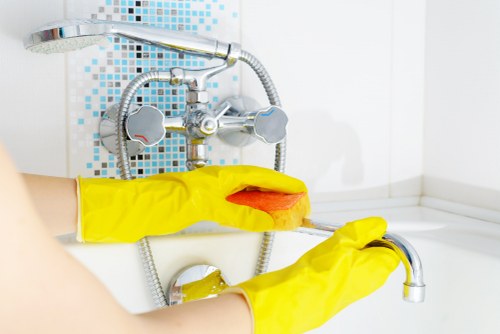
Stain removal is more than a cosmetic concern. A stain on fabric, carpet, or furniture can affect how clean and well-maintained a space feels. In homes, offices, rental properties, and commercial settings, even a small mark can stand out and create the impression of neglect. Effective stain removal helps protect appearance, extend the life of materials, and reduce the need for replacement.
There is also a practical side to stain removal. Some stains, especially those containing oils, pigments, or protein-based substances, may become harder to treat over time. The longer they sit, the deeper they can bond with fibers or surfaces. That is why timely stain removal is often the difference between a quick fix and a long cleanup process.
Another reason stain removal matters is cost. Replacing clothing, rugs, and upholstery can be expensive, while proper cleaning methods often cost very little. Learning a few reliable stain removal techniques can save money and reduce waste, which is especially valuable in households trying to be more sustainable.
How Stains Work
To understand stain removal, it helps to know what a stain actually is. A stain is a substance that attaches to a material and changes its appearance. Some stains sit on the surface, while others penetrate deep into fibers. The type of stain determines the best treatment method.
Generally, stains fall into several broad categories: water-based stains, oil-based stains, protein-based stains, tannin stains, dye stains, and combination stains. Water-based stains include juice and some beverages. Oil-based stains include cooking grease and makeup. Protein stains include blood, sweat, milk, and egg. Tannin stains come from tea, coffee, and wine. Dye stains may come from colored liquids, inks, or transfer from other fabrics.
Successful stain removal depends on matching the cleaning method to the stain category. Using the wrong product can sometimes set the stain deeper or damage the material. That is why careful stain removal is often more effective than aggressive scrubbing.
Fresh vs. Set-In Stains
Fresh stains are usually easier to remove because they have not had time to dry and bond. With quick blotting and the right cleaning solution, many fresh stains can be lifted easily. Set-in stains are more stubborn and may require soaking, repeated treatment, or specialist cleaning products.
One of the most important stain removal habits is acting quickly. Even a few minutes can matter. If you cannot treat a stain immediately, remove excess material and keep the area from spreading until you can begin cleaning.
Avoid rubbing aggressively. Rubbing can push the stain deeper into fibers and make the affected area larger. Blotting is usually safer and more effective, especially for fabric and upholstery stain removal.
General Stain Removal Rules to Follow
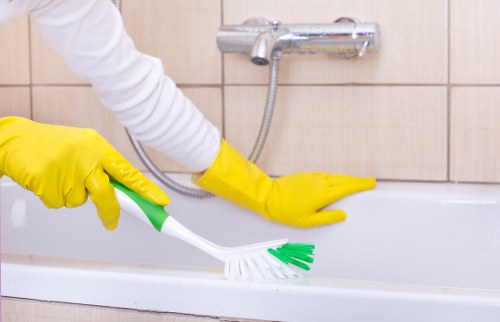
Before tackling any stain, it helps to follow a few basic rules. These simple steps make stain removal safer and more effective across a variety of materials.
- Blot first, do not rub.
- Test any cleaner on a hidden area before applying it broadly.
- Use cold water for protein stains such as blood or dairy.
- Use warm water only when the fabric or surface can handle it.
- Work from the outside of the stain inward to prevent spreading.
- Repeat stain removal gently rather than using excessive force.
- Allow the item to dry fully before deciding whether the stain is gone.
It is also wise to read care labels on clothing and upholstery. Some fabrics, such as silk, wool, or delicate blends, require gentler stain removal methods. For surfaces like natural stone, wood, or leather, certain cleaners may cause damage if used incorrectly.
When in doubt, less is often more. A mild stain removal solution used carefully can work better than a harsh chemical applied in a panic. Patience is one of the best tools you can have.
Stain Removal for Clothing
Clothing is one of the most common places where stain removal is needed. Shirts, trousers, dresses, uniforms, and workwear all face daily exposure to spills, sweat, and dirt. The goal in garment stain removal is to protect the fabric while lifting the stain as completely as possible.
For food and beverage stains, begin by blotting any excess. Rinse the back of the stain with cold water if possible. This helps push the stain out of the fibers rather than deeper in. Apply a mild detergent or stain pre-treatment to the area, then wash according to the garment label. Avoid heat until you are sure the stain is removed, because heat can set many stains permanently.
For oily stains, such as cooking grease or lotion, an absorbent material can help first. Some people use baking soda or cornstarch to draw out oil before washing. Follow that with a detergent designed to cut grease. Stain removal for oil-based marks often requires more than one treatment.
Common Clothing Stains
Below are some frequent stains and typical stain removal strategies:
- Coffee and tea: Blot, rinse with cold water, and treat with liquid detergent.
- Red wine: Blot immediately, apply salt if needed to absorb moisture, then wash with a stain remover.
- Blood: Rinse with cold water only; avoid hot water, which can set the stain.
- Ink: Place a towel behind the fabric and dab with rubbing alcohol or a fabric-safe ink remover.
- Grease: Apply absorbent powder, then wash with a grease-cutting detergent.
For delicate clothing, stain removal should be gentler. Spot testing is essential. If you are dealing with expensive, vintage, or specialty fabrics, professional cleaning may be the safest option.
Stain Removal on Upholstery and Furniture
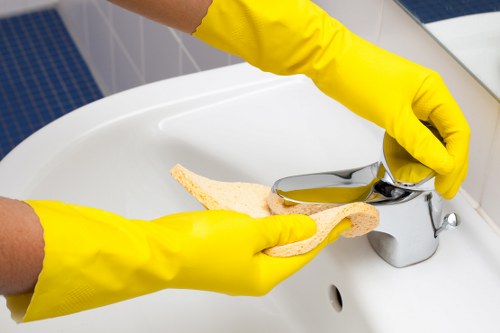
Upholstery stain removal requires care because furniture fabrics are often attached to padding and structural materials that should not become overly wet. Excess moisture can create water marks, odor, or mold growth. That is why spot cleaning is usually the best method.
Start by vacuuming loose debris from the surface. Then blot the stain gently with a clean white cloth. Use a small amount of upholstery-safe cleaner or a mild soap solution, applying it sparingly. Work slowly and avoid oversaturating the fabric. If the stain is still visible, repeat in light layers rather than flooding the area.
For food spills, coffee, juice, or soft drink stains on upholstery, immediate blotting is essential. For oil-based stains, an absorbent powder may help before treatment. Always check the manufacturer’s cleaning code, if available, because some furniture fabrics are designed for water-based cleaning while others require solvent-based products.
Upholstery Stain Removal Tips
- Use a white cloth to avoid color transfer.
- Blot from the edges toward the center.
- Do not scrub aggressively.
- Dry the area thoroughly with air circulation.
- If the stain remains, consider a professional upholstery cleaner.
Upholstery stain removal is often a balance between effectiveness and caution. A slow, methodical approach usually gives the best results and protects the furniture from unnecessary wear.
Stain Removal from Carpets and Rugs
Carpet stain removal can be challenging because fibers trap liquid quickly. Rugs also vary widely in material, weave, and backing, so a one-size-fits-all approach rarely works. Still, the basic principles remain the same: blot quickly, avoid rubbing, and use the right solution for the stain type.
For liquid spills, begin by removing excess material with a spoon or dull edge if needed. Then blot with a dry cloth. Apply a carpet-safe cleaning solution in small amounts and continue blotting. A mixture of mild dish soap and water can help with many stains, though it should be used carefully. For deeper stains, a carpet cleaner or extraction device may be more effective.
One of the most common mistakes in carpet stain removal is overwetting. Too much moisture can spread the stain or leave residue that attracts dirt later. It is better to work in small steps and dry the carpet thoroughly after cleaning. Fans or open windows can help.
Special Carpet Stain Removal Situations
Some stains require special handling:
- Pet stains: Use an enzyme cleaner to break down odor-causing material.
- Wine stains: Treat immediately with blotting and a carpet-safe stain remover.
- Mud: Let it dry first, then vacuum and treat the residue.
- Wax: Harden with ice, lift carefully, then use heat only if appropriate for the carpet.
Effective stain removal on carpets is often about timing and restraint. The more calmly you treat the spill, the better the final result is likely to be.
Stain Removal on Hard Surfaces
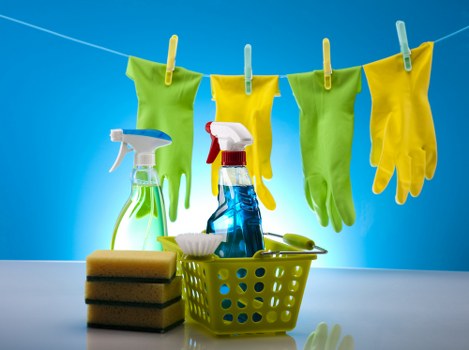
Hard surfaces such as countertops, tile, laminate, metal, and sealed wood are often easier to clean than fabric, but stain removal still requires the right approach. The key is to use a cleaner that is compatible with the material and not too abrasive for the finish.
For countertops and tile, many stains can be removed with a mild soap solution or surface-safe cleaner. Grease spots in kitchens may respond to degreasing products, while mineral stains on sinks or shower tiles may need a product designed for limescale. Always avoid abrasive pads on polished or delicate surfaces, as they can scratch the finish.
On sealed wood, stain removal should be gentle and quick. Standing liquid can leave marks, so it is important to wipe spills immediately. For darker water marks or sticky residue, a wood-safe cleaner may help. On metal surfaces, stains often involve water spots, oxidation, or discoloration from heat. A suitable polish or cleaner can often restore appearance.
Surface-Safe Stain Removal Basics
Follow these points for safer results:
- Choose the mildest cleaner that can do the job.
- Use a soft cloth or sponge.
- Rinse residue when needed.
- Dry the surface to prevent new marks.
- Check material-specific instructions before applying strong products.
Hard-surface stain removal is often straightforward, but the wrong product can create etching, dulling, or permanent discoloration. When protecting finishes matters, a careful approach is best.
Natural vs. Commercial Stain Removal Methods
There is ongoing interest in both natural and commercial stain removal methods. Each has strengths, and the right choice depends on the stain, surface, and level of urgency. Natural methods such as vinegar, baking soda, lemon juice, and salt are popular because they are accessible and often inexpensive. Commercial stain removers, on the other hand, are formulated for specific types of stains and can be very effective when used correctly.
Natural stain removal options are useful for lighter stains and regular maintenance. Baking soda may help with odors and absorption, while vinegar can assist with some water-based residues. However, natural ingredients are not always suitable for every fabric or surface. For example, vinegar should be avoided on some stones and finishes, and lemon juice can have bleaching effects.
Commercial stain removal products can be more targeted. Many laundry pre-treaters, carpet removers, and upholstery cleaners are designed for specific stains like grease, protein, or tannin. The main advantage is speed and strength, but it is still important to follow instructions carefully. Even effective stain removal products can cause problems if overused.
A balanced approach often works best: use mild natural options for simple jobs, and switch to a specialized product when the stain is stubborn or the material is more demanding.
Stain Removal Mistakes to Avoid
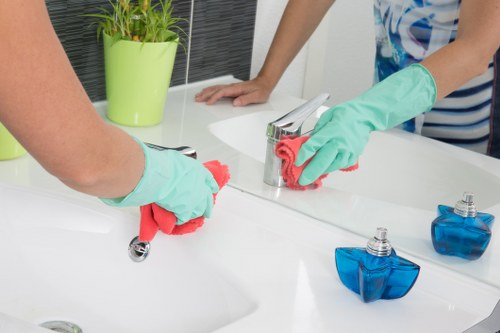
Many stain removal problems happen because of well-intentioned but ineffective choices. Understanding common mistakes can save time and protect your belongings.
- Rubbing the stain: This can spread it and damage fibers.
- Using hot water too soon: Hot water can set protein stains.
- Applying too much cleaner: Excess product may leave residue.
- Skipping a spot test: This can cause fading or damage.
- Drying before the stain is gone: Heat can make stain removal much harder.
- Mixing chemicals: Some combinations are unsafe and should never be used together.
Another frequent mistake is assuming that a stain has been removed after the first treatment. Sometimes stains become visible again once the item dries. Check the area under good lighting before declaring the job finished. If needed, repeat the stain removal process carefully.
Stubborn stains may require patience and multiple light treatments rather than one aggressive attempt. That approach is usually safer for clothing, upholstery, and carpet, and it often produces better results overall.
When to Seek Professional Stain Removal Help
There are times when professional stain removal is the smartest option. Deep set-in stains, expensive fabrics, antique rugs, leather furniture, and sensitive materials may need expert care. Professionals have stronger equipment, material knowledge, and stain-specific treatments that can improve the result while reducing risk.
If you have tried careful stain removal at home and the mark is still visible, or if the item is valuable, it may be worth booking a specialist service. This is especially true for delicate items that can be damaged by water, heat, or standard detergents. Professional cleaning can also help when odor removal is part of the problem, such as with pet accidents or smoke residues.
For busy households and commercial spaces, professional stain removal can also save time. Instead of repeated trial and error, you get an informed treatment plan that matches the material and stain type. Book your service now if the stain is important, the item is valuable, or you simply want a dependable result.
Preventing Future Stains
Good stain removal starts with prevention. While accidents cannot always be avoided, a few habits can reduce how often stains happen and how serious they become. Using protective covers on furniture, placing mats in high-traffic areas, and responding quickly to spills can make a big difference.
In kitchens and dining areas, keep absorbent cloths or paper towels nearby for immediate cleanup. On clothing, consider stain-resistant fabrics for workwear or children’s clothes when practical. For carpets and rugs, regular vacuuming helps prevent dirt from settling in and becoming harder to remove later.
Pre-treatment also helps. Fabric protectors, sealants for some surfaces, and periodic professional cleaning can all support better long-term stain removal outcomes. Prevention does not eliminate stains, but it often makes them easier to manage when they do occur.
Helpful Prevention Habits
- Address spills immediately.
- Use coasters, placemats, and table covers.
- Keep cleaning supplies accessible.
- Wash items before stains become permanent.
- Rotate and maintain rugs and upholstery regularly.
The best stain removal strategy is often the one that prevents the stain from setting in the first place.
Final Thoughts on Stain Removal
Stain removal is a valuable household and maintenance skill that can save money, protect fabrics, and keep spaces looking fresh. Whether you are dealing with clothing, upholstery, carpets, or hard surfaces, the key is to identify the stain, act quickly, and choose the safest cleaning method for the material. A calm and thoughtful approach usually delivers the best result.
Remember that not every stain will disappear on the first attempt, and not every material can handle the same treatment. By learning how different stains behave and how to treat them correctly, you improve your chances of success and avoid unnecessary damage. Effective stain removal is a mix of knowledge, timing, and care.
If you are facing a stubborn spot or want to protect a valuable item, consider professional stain removal support. For everyday spills and routine care, the strategies in this article can help you handle stains with confidence. If you need expert help, contact us today or book your service now to take the next step toward cleaner, fresher-looking spaces.