Upholstery cleaning Edgware Station HA8: a practical local guide to cleaner, fresher furniture
If your sofa arm feels a little sticky, the dining chairs have picked up everyday grime, or the fabric on that beloved armchair has started to look dull, you are in the right place. Upholstery cleaning Edgware Station HA8 is not just about making furniture look nicer for a week or two. Done properly, it helps protect fabric, reduce odours, lift stubborn dirt, and make a room feel genuinely fresher. That matters in a busy home, a rental flat, or a small office near the station where furniture gets used hard and often.
Truth be told, most upholstery does not look "dirty" all at once. It quietly changes. A little body oil here, a coffee splash there, then a bit of dust, pet hair, and the occasional snack crumb. Before you know it, the fabric has lost its lift. This guide explains how upholstery cleaning works, what results you can realistically expect, which mistakes to avoid, and when it makes sense to bring in a specialist rather than reaching for the nearest spray bottle and hoping for the best.
Table of Contents
- Why Upholstery cleaning Edgware Station HA8 Matters
- How Upholstery cleaning Edgware Station HA8 Works
- Key Benefits and Practical Advantages
- Who This Is For and When It Makes Sense
- Step-by-Step Guidance
- Expert Tips for Better Results
- Common Mistakes to Avoid
- Tools, Resources and Recommendations
- Law, Compliance, Standards, or Best Practice
- Options, Methods, or Comparison Table
- Case Study or Real-World Example
- Practical Checklist
- Conclusion
- Frequently Asked Questions
Why Upholstery cleaning Edgware Station HA8 Matters
Upholstery takes more punishment than most people realise. Unlike a floor, which you can see and sweep, upholstered furniture absorbs the story of daily life. Skin oils, airborne dust, food residue, pet dander, drink spills, and general traffic all settle into the fibres. Near a busy transport area such as Edgware Station, that can build up even faster because homes and businesses tend to see more footfall, more outdoor dust, and more frequent use of shared seating.
There is also a practical side to all this. A tired-looking sofa can make an otherwise clean room feel neglected. In a letting property, that is not ideal. In a waiting area or office, it can subtly affect the impression people get when they walk in. Nobody says, "lovely chair fabric," out loud. But they do notice freshness, or the lack of it.
Another point people often miss: many fabrics hold onto odours long before they look visibly stained. A room can smell a bit stale even when everything appears tidy. Regular upholstery cleaning helps address both the visible and invisible bits, which is why it tends to deliver a bigger difference than people expect.
Expert summary: If your upholstered furniture gets used daily, cleaning is less about luxury and more about maintenance. Keep ahead of grime and odours, and the furniture usually lasts longer, looks better, and feels more comfortable to use.
If you already know you need broader fabric care, it can help to look at related services too, such as sofa cleaning, curtain cleaning, or even rug cleaning when the whole room needs a reset. It often makes more sense to treat the space as a whole rather than only one item.
How Upholstery cleaning Edgware Station HA8 Works
Most professional upholstery cleaning follows a sensible sequence: inspect the fabric, identify the material, test for colour fastness if needed, choose the right cleaning method, treat spots, then deep clean and dry the piece properly. That sounds simple, and in a way it is. The skill lies in matching the process to the fabric rather than forcing one method onto everything.
Different materials behave differently. Cotton, linen, wool blends, synthetic fabrics, velvet, and microfibre all have their own quirks. One chair may respond beautifully to a hot water extraction approach. Another may need a gentler low-moisture treatment. Leather is a different conversation altogether. Good cleaning starts with recognising that not every fabric wants the same thing. A surprising number of issues come from treating upholstery as if it were carpet with arms.
Here is the general flow you would expect:
- Inspection: The cleaner checks the fabric type, visible wear, existing stains, loose stitching, and any areas that look fragile.
- Pre-treatment: Stains, high-traffic marks, and greasy spots are treated before the full clean.
- Cleaning method selection: The right technique is chosen based on the fabric and soil level.
- Agitation or dwell time: Solutions are allowed to work into the fibres, then gently worked in if appropriate.
- Extraction or wiping: Dirt and residues are removed without over-wetting the upholstery.
- Drying: Proper airflow is encouraged so the item dries evenly and does not smell damp.
It is worth saying plainly: upholstery cleaning is not just "spray and scrub." Too much water, harsh chemicals, or aggressive brushing can distort fabric, leave rings, or make stains spread. That is why methods matter so much.
For fabric furniture with stubborn marks, a specialist may also recommend stain removal treatment first, especially where the stain has had time to set. If the issue is linked to animals, pet stain odour removal is often the more suitable route than a standard clean alone.
Key Benefits and Practical Advantages
The obvious benefit is that furniture looks better. But the real value usually goes further than appearance. Fresh upholstery changes how a room feels. It can make a lounge seem lighter, a rental property more presentable, and an office break area a bit less, well, grim after a long winter. Small thing, big difference.
- Improved appearance: Dull fabric can regain colour clarity and a cleaner finish.
- Reduced odours: Cleaning helps remove trapped smells from spills, pets, and everyday use.
- Better hygiene: Embedded dust and debris are lifted out instead of being left in the fibres.
- Fabric protection: Professional methods are usually gentler than improvised home scrubbing.
- Longer furniture life: Less built-up grime means less fibre stress over time.
- Better first impressions: Helpful in homes, rentals, hospitality settings, and workplaces.
There is also a comfort factor. A cleaned armchair simply feels nicer to sit in. You notice it in the hand, so to speak. The fabric is softer, less tacky, and somehow more inviting. That may sound minor, but on a cold evening in an Edgware flat with the heating on and the rain tapping the window, it really does matter.
For households with mixed cleaning needs, upholstery care often sits alongside mattress cleaning and carpet cleaning. These jobs support each other because dust, allergens, and everyday residue do not stay politely in one place.
Who This Is For and When It Makes Sense
Upholstery cleaning is useful for a lot more people than you might think. It is not only for luxury homes or visible disasters. In fact, the best time to clean is usually before the furniture looks terrible. That is the honest answer.
Homeowners and renters
If you have sofas, dining chairs, footstools, or accent chairs that are used daily, cleaning helps keep them presentable. Renters benefit because good furniture care can reduce end-of-tenancy stress. Homeowners benefit because it slows that "everything looks tired" feeling that creeps in over time.
Families with children
Sticky hands, dropped snacks, juice spills, and general chaos. Need we say more? Family homes usually need more frequent attention, especially on light-coloured fabric. A quick wipe handles surface marks, but deeper soil tends to settle in and show later.
Pet owners
If you live with pets, you already know the sofa can become a favoured nap spot, whether you invited that behaviour or not. Pet hair and odour can build up quickly. That is where specialist treatment helps, particularly if the fabric has absorbed repeated dampness or scent.
Landlords, agents, and tenants
In rental property, upholstery cleaning can be part of sensible routine maintenance between occupancies. It is especially worthwhile where soft furnishings are included and the next occupant expects a clean, fresh start. If the property is used as a managed or commercial space, commercial-grade options may be more suitable, including commercial carpet cleaning where the whole environment needs attention.
Businesses and shared spaces
Waiting rooms, small offices, salons, and reception seating all pick up wear quickly. The public notices soft furnishings sooner than many owners do. That's just how people work, really. If the chairs look cared for, the space feels cared for.
Step-by-Step Guidance
If you are planning upholstery cleaning for the first time, it helps to know what a sensible process looks like. Whether you do a light maintenance clean yourself or book a specialist, the sequence below is a good framework.
- Identify the fabric: Check the care label where available. Knowing whether the item is cotton, synthetic, wool-blend, velvet, or leather changes everything.
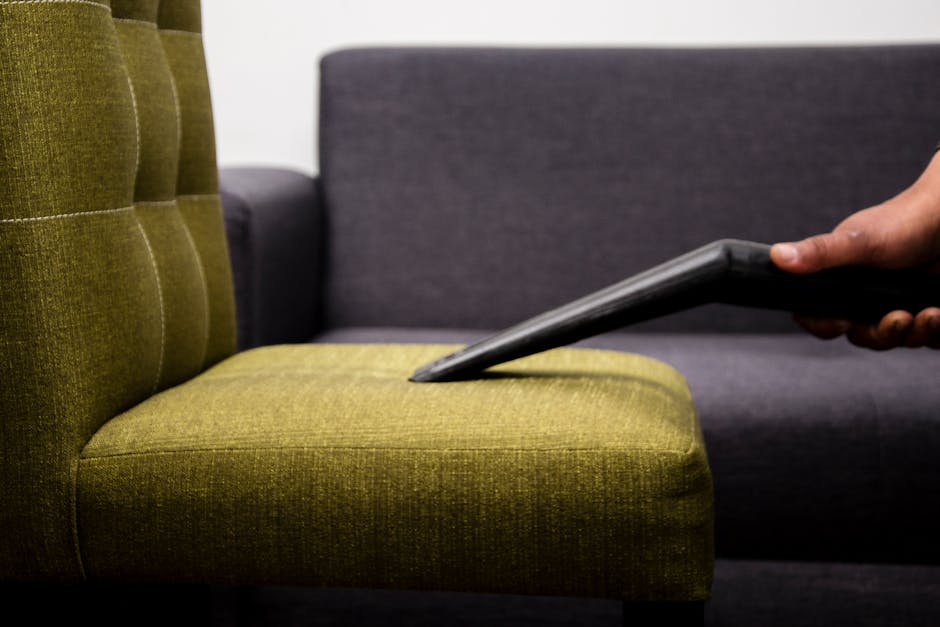
- Vacuum properly: Use an upholstery attachment to remove loose dirt, crumbs, and pet hair from seams, piping, and cushions.
- Test a hidden area: Always test cleaning products in an inconspicuous spot. It takes a minute and can save a lot of regret.
- Treat visible stains: Apply suitable pre-treatment to spots before cleaning the whole surface.
- Choose the right method: Light soil may need low-moisture cleaning. Heavier contamination may require deeper extraction.
- Work methodically: Clean section by section so no part is over-wet or left half-finished.
- Dry thoroughly: Open windows where possible, use airflow, and avoid sitting on the furniture until it is properly dry.
That final step is more important than people think. A piece can look dry on top but still hold moisture deeper down. If you sit on it too early, you flatten the pile, slow drying, and potentially create those annoying water tide marks. Not ideal.
For some households, upholstery cleaning is best done alongside broader fabric care. For example, if curtains are trapping dust and the sofa smells a little stale, combining services such as curtain cleaning and upholstery cleaning can create a much more noticeable result than tackling one item at a time.
Expert Tips for Better Results
The best upholstery results usually come from patience and restraint. That may not sound dramatic, but it is true. More product is not better, and neither is more scrubbing. The cleaner touch often wins.
- Vacuum before stains are treated: Loose debris can smear into fabric if you jump straight to wet cleaning.
- Blot, don't rub: Rubbing spreads the stain and can rough up fibres.
- Keep airflow moving: A fan or open window helps drying and reduces musty smells.
- Mind the seams: Dirt collects in stitching lines and under cushions, so those areas deserve attention.
- Use the least aggressive method first: Start gentle, then increase only if needed.
- Ask about fibre-safe treatment: Particularly for delicate fabrics, velvet, or mixed materials.
One practical tip that people often overlook: clean nearby surfaces too. Upholstery sits in the middle of a room ecosystem. If the carpet below is dusty or the rug near the sofa is packed with dirt, the furniture will pick it up again fairly quickly. That is why services like steam carpet cleaning can support the result in a meaningful way.
And yes, if you are trying to sort it all in a rush before guests arrive, that last-hour panic is extremely human. We have all been there. The trick is to avoid doing five strong things badly and instead do one or two things properly.
Common Mistakes to Avoid
Most upholstery damage during cleaning does not come from dirt. It comes from the cleaning attempt itself. A bit unfair, but there it is.
- Using too much water: Over-wetting can lead to long drying times, rings, or fibre distortion.
- Skipping the fabric test: A product that works on one sofa may bleach or mark another.
- Scrubbing aggressively: This can fray the pile, spread stains, and push dirt deeper in.
- Using random household products: Some sprays leave sticky residues that attract more dirt later.
- Ignoring odours: A surface clean may look fine but leave smells trapped inside.
- Forgetting hidden areas: Cushions, undersides, and back panels often hold the worst of it.
There is also the mistake of waiting too long. If a stain sits for months, it becomes harder to remove cleanly. That does not mean it is hopeless, but fresh treatment is usually safer and more effective.
In our experience, one of the most common missteps is trying to "fix" a stain with heat before knowing what caused it. Heat can set some marks permanently. Better to pause, identify the issue, and choose carefully.
Tools, Resources and Recommendations
You do not need a van full of kit to keep upholstery in good shape, but a few simple tools help enormously. Even for routine maintenance, the right basic setup makes the job easier and safer.
| Tool or approach | What it helps with | Best for |
|---|---|---|
| Vacuum with upholstery attachment | Dust, crumbs, pet hair, loose debris | Regular maintenance |
| Soft brush | Loosening lint and surface fibres | Dry pre-clean prep |
| Microfibre cloth | Blotting and controlled wiping | Small spills |
| Fibre-safe cleaning solution | Spot treatment and light cleaning | Suitable fabric types |
| Airflow or fan | Faster, safer drying | After wet cleaning |
| Professional extraction equipment | Deeper soil removal and residue reduction | Heavily used upholstery |
If you are comparing service options, it can also help to understand what is included in the process and how quotes are put together. The page on pricing and quotes is useful for anyone who wants a clearer idea of what affects the final cost. Payment security matters too, especially if you prefer a straightforward booking experience; you can review that on payment and security.
For service confidence, it is sensible to check the company's insurance and safety approach, plus its health and safety policy. Those pages tell you a lot about how seriously a business treats your home or workplace. And if you care about lower-impact cleaning practices, the recycling and sustainability information is worth a look too.
Law, Compliance, Standards, or Best Practice
Upholstery cleaning itself is not usually a heavily regulated service in the way some trades are, but there are still important standards and duties to consider. In the UK, a reputable cleaning provider should work carefully, use products appropriately, and avoid creating health or safety risks for occupants or staff. That means good manual handling, sensible chemical use, proper ventilation, and a clear understanding of fabric care.
Where premises are shared, rented, or commercial, best practice becomes even more important. Think about fire safety around electrical drying equipment, trip hazards from hoses, and the general duty to leave the area safe and tidy. In a domestic home, that might simply mean not leaving a wet walkway behind. In a business, it can mean planning the work around opening hours and keeping visitors away from damp seating until it is ready.
If you are comparing providers, look for signs of responsible practice: clear terms, transparent communication, suitable insurance, and a complaints process that is actually usable. Those are not glamorous details, but they matter. The pages on terms and conditions, complaints procedure, and privacy policy can help you judge how well a company handles the boring-but-important parts of service, which is usually where trust is built.
One more practical note: if you have access needs or want to understand how a business presents information clearly, an accessibility statement is a reassuring sign that the provider pays attention to usability for all kinds of customers.
Options, Methods, or Comparison Table
Not every piece of furniture needs the same level of treatment. The right choice depends on fabric type, soil level, stain severity, and how quickly you need the item back in use. Here is a simple comparison to help you think it through.
| Method | Best use case | Strengths | Limitations |
|---|---|---|---|
| Light vacuuming and spot care | Routine upkeep, minor dust and marks | Quick, inexpensive, good for maintenance | Won't remove deep soil or embedded odours |
| Low-moisture upholstery cleaning | Delicate fabrics or faster drying needs | Gentler, less water, reduced drying time | May be less effective on heavy contamination |
| Hot water extraction or deep cleaning | Heavily used sofas and chairs | Strong soil removal, thorough results | Needs careful fabric matching and drying time |
| Specialist stain treatment | Ink, wine, food, pet-related marks | Targeted, often better for problem spots | Success depends on stain age and fabric type |
In real life, the best answer is often a combination. A sofa might need vacuuming, spot treatment, and a gentle deep clean. A velvet chair may only need careful local treatment plus controlled drying. A good cleaner will decide based on the item, not a one-size-fits-all routine.
Case Study or Real-World Example
Here is a realistic example from a typical local scenario. A small family near Edgware Station had a light-coloured corner sofa that looked fine from across the room but felt tired up close. One arm had a dark patch where hands always rested, there were faint snack marks around the seating area, and the sofa had picked up a mild stale smell after months of daily use. Nothing dramatic. Just enough to annoy them every time they walked past.
The process began with inspection and vacuuming, especially around the seams and under the cushions where crumbs always hide. A few spots were pre-treated, then the cleaner selected a fabric-safe method suited to the material. The main challenge was not the visible marks. It was the general dinginess. That is often how these jobs go, by the way. The "stain" is usually the headline, but the overall freshness is the bigger win.
After cleaning and drying, the room felt brighter. The sofa matched the rest of the space again instead of pulling the eye for the wrong reasons. The family kept saying it looked "less grey," which made sense because the original colour had been masked by everyday film. That sort of result is common when upholstery has not reached the point of damage but has simply accumulated use.
Could they have kept living with it? Of course. But once cleaned, they noticed how much more welcoming the room felt. Funny how that happens.
Practical Checklist
Before arranging upholstery cleaning, run through this quick checklist. It keeps things simple and avoids a few headaches later.
- Identify the furniture pieces that need attention.
- Check care labels where available.
- Note any stains, odours, loose stitching, or wear patches.
- Decide whether the issue is surface dirt, deep grime, or a specific spill.
- Clear the area around the furniture for easy access.
- Confirm how long drying may take and when the furniture can be used again.
- Ask about stain treatment if there are problem spots.
- Consider cleaning related items in the room at the same time.
- Review pricing, payment, and service terms before booking.
- Make sure you are comfortable with the provider's safety and insurance information.
If the upholstery is part of a wider refresh, it may be worth pairing the job with upholstery cleaning guidance on the service page itself, especially if you want to understand the broader approach before booking.
Conclusion
Upholstery cleaning Edgware Station HA8 is one of those services that pays off in visible and invisible ways. It improves appearance, removes lingering odours, helps protect fabric, and makes homes and workplaces feel more cared for. The best results come from matching the method to the material, using the right amount of moisture, and taking drying seriously. Simple, but not always easy.
If you are weighing up whether your furniture needs a quick freshen-up or a more thorough clean, start by looking at the fabric, the age of the stains, and how much the item is used. That will tell you a lot. And if you are unsure, that is perfectly normal. Fabric care has enough variables to make anyone hesitate a bit.
Get a free quote today and see how much you can save.
Good upholstery care does not need to be dramatic. It just needs to be done properly, with a bit of patience and the right judgement. And honestly, a fresher sofa can lift a whole room more than people expect.
Frequently Asked Questions
How often should upholstery be cleaned in a busy home?
For a busy family home, light maintenance should be ongoing, with deeper upholstery cleaning typically carried out when the furniture starts to look dull, feel grubby, or hold odours. High-use sofas and chairs usually need attention more often than guest-room pieces.
Can all upholstery fabrics be cleaned the same way?
No, and that is where mistakes often happen. Different fabrics react differently to water, heat, and cleaning products. Cotton, synthetics, wool blends, velvet, and leather each need their own approach.
Will upholstery cleaning remove pet smells?
It can help a great deal, especially when the smell is trapped in the fibres rather than soaked deep into the padding. If the issue is linked to pet accidents, a specialist pet stain odour removal treatment may be more suitable.
How long does upholstery take to dry?
Drying time varies by fabric, cleaning method, room temperature, and airflow. Low-moisture methods usually dry faster, while deeper cleaning can take longer. Good ventilation makes a real difference.
Is professional upholstery cleaning better than DIY cleaning?
For light maintenance, DIY cleaning can help. For stains, odours, delicate fabrics, or heavily used furniture, professional cleaning is usually safer and more effective because the method can be matched to the material.
Can upholstery cleaning help with allergens?
It can help reduce dust, pet dander, and other debris that settle into fabric. It is not a medical treatment, of course, but cleaner soft furnishings often contribute to a fresher indoor environment.
What should I do before a cleaner arrives?
Clear small items from the area, move breakables, and point out specific stains or problem spots. If possible, check care labels and tell the cleaner about any previous cleaning products used.
Will all stains come out completely?
Not always. Results depend on the stain type, how long it has been there, and the fabric itself. Fresh stains are generally easier to treat than old ones, but a good process can still make a major difference.
Is upholstery cleaning suitable for rented properties?
Yes, very often. It is useful between tenancies and for keeping furnished rentals presentable. It also helps reduce the chance that old marks become a sticking point during move-out checks.
How do I choose a reliable upholstery cleaner?
Look for clear communication, sensible treatment of fabric types, transparent pricing, and helpful service information. Pages such as pricing and quotes, insurance and safety, and about us can help you assess how the business operates.
Can upholstery cleaning be done alongside other services?
Yes, and that is often the smartest route. If the room itself needs a broader refresh, pairing upholstery cleaning with carpet cleaning or steam carpet cleaning can create a more complete result.
What if I have a complaint after the service?
A reputable provider should have a clear complaints process. That transparency matters. You should be able to find it easily, along with the service terms and policies that explain how issues are handled.
In the end, fresh upholstery is one of those simple comforts that quietly improves daily life. A cleaner chair, a softer sofa, a room that smells better in the morning - not bad for a service people often put off for too long.